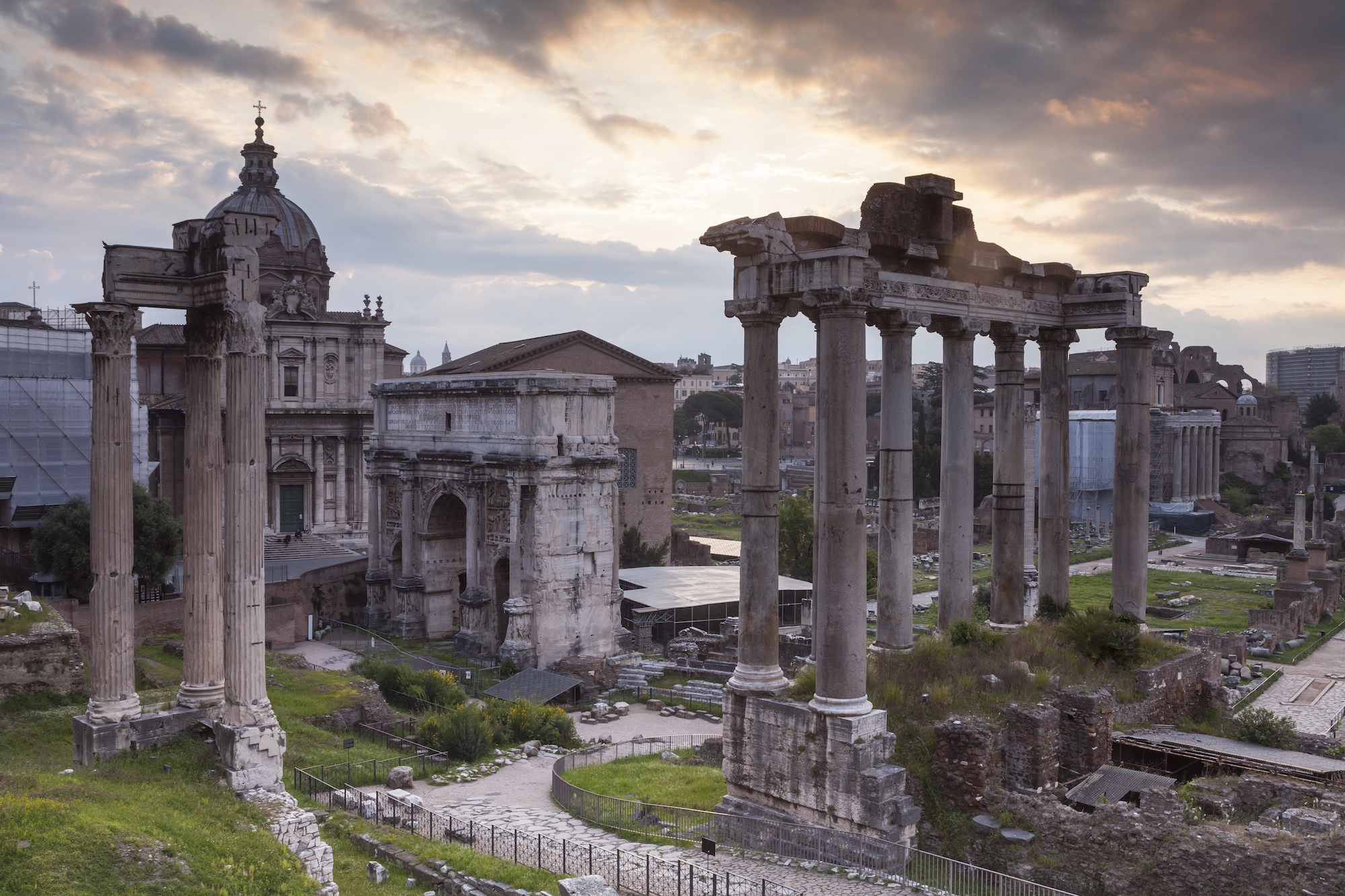
"The Evolution of Empires: From Rome to the Modern World" traces the rise and fall of empires that have shaped the course of human history, with a focus on how the legacy of the Roman Empire continues to influence the modern world. Empires have been the driving force behind much of history, creating vast networks of power, culture, and trade, while also fostering conflict, ambition, and expansion. Understanding the evolution of these empires offers insight into the development of political systems, societal structures, and global interactions that have influenced today's nations.
The story begins with the Roman Empire, one of the largest and most enduring empires in history. At its peak, Rome controlled much of Europe, North Africa, and parts of the Middle East, spreading its language, culture, and laws across vast territories. Roman innovations in governance, such as the development of a legal system, roads, and military strategies, laid the groundwork for modern Western political thought and systems. The Roman Empire’s eventual fall in 476 CE marked a major turning point in history, but its legacy would continue to influence empires for centuries to come.
Following the collapse of Rome, the Byzantine Empire arose, preserving much of Roman culture and law while developing its unique characteristics. The Byzantine Empire, with its capital in Constantinople (modern-day Istanbul), bridged the gap between ancient and medieval civilizations. It maintained the Roman legal tradition through the Corpus Juris Civilis, which would later become the foundation for many modern legal systems. The Byzantines were instrumental in preserving classical knowledge during the dark ages, which would later fuel the Renaissance.
The Islamic Caliphates in the 7th and 8th centuries emerged as another key power in the medieval world. Stretching from Spain to India, these caliphates spread Islam, mathematics, medicine, and philosophy, leaving an indelible mark on global culture and knowledge. Cities like Baghdad, Cairo, and Cordoba became intellectual centers, and the Islamic Golden Age significantly contributed to the advancement of science and learning, setting the stage for the European Renaissance.
In the modern era, the rise of European colonial empires, such as the British, Spanish, and French Empires, reshaped the global landscape. These empires not only expanded their territories across the Americas, Africa, and Asia, but they also introduced new systems of trade, governance, and cultural exchange. The British Empire, at its height, was often described as the empire on which the sun never set, due to its vast territorial holdings across the world. These empires played a pivotal role in shaping the modern geopolitical map, though they also laid the foundations for conflicts, exploitation, and the struggle for independence in the 20th century.
The decline of colonialism and the emergence of new powers like the United States and the Soviet Union in the 20th century marked the final shift in the evolution of empires. The two world wars, decolonization, and the Cold War redefined the global order, shifting from imperial control to the rise of nation-states, international organizations, and the influence of global superpowers. These events led to the modern world we recognize today, characterized by a complex network of independent nations with varying degrees of power, influence, and cooperation.
"The Evolution of Empires: From Rome to the Modern World" highlights how empires, despite their rise and fall, have profoundly shaped the modern political, economic, and cultural landscape. The remnants of their power continue to influence the global order, with the historical lessons of imperialism continuing to echo in contemporary debates about power, sovereignty, and global governance. Understanding the evolution of these empires is crucial for grasping the dynamics that shape the world today.