"Revisiting the Past: Unsolved Mysteries in History"
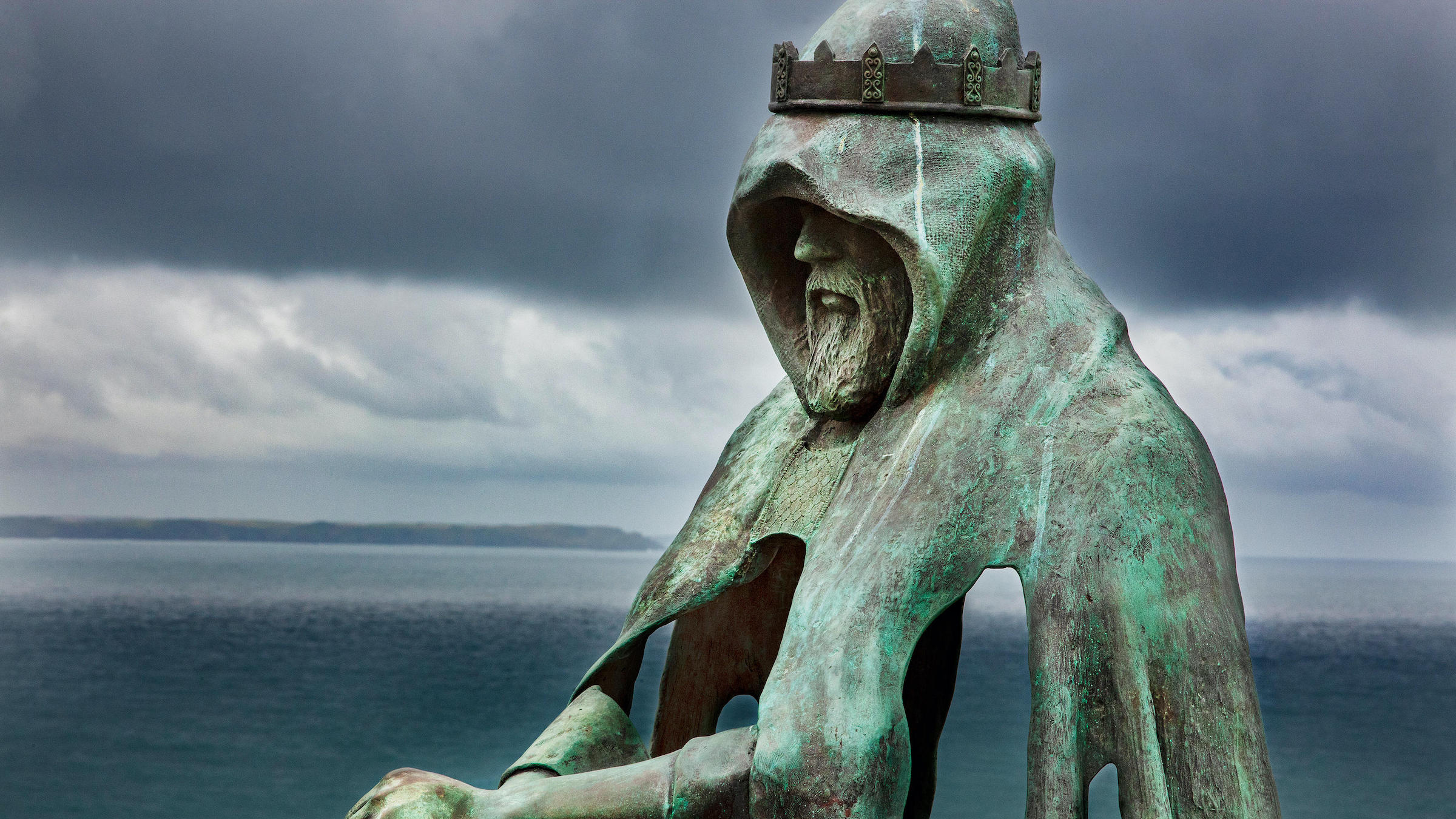
"Revisiting the Past: Unsolved Mysteries in History" takes a deep dive into some of the most captivating and enigmatic events in history that remain unsolved, sparking curiosity and debate among historians, archaeologists, and mystery enthusiasts. These unresolved puzzles, ranging from ancient civilizations to more recent events, challenge our understanding of the past and often leave more questions than answers.
One of the most famous historical mysteries is the disappearance of the Lost Colony of Roanoke in the late 16th century. The English settlers, led by John White, vanished without a trace, leaving behind only the cryptic word “CROATOAN” carved into a post. Despite numerous theories ranging from assimilation with Native American tribes to being victims of a violent attack or simply relocating, no definitive evidence has been found to explain their fate, leaving the mystery unsolved.
Another captivating enigma is the identity of Jack the Ripper, the infamous serial killer who terrorized London in 1888. Despite extensive investigations, modern forensic techniques, and countless theories, the true identity of the killer remains one of history’s greatest unsolved mysteries. Was he a doctor, a royal, or an unknown figure? The case continues to intrigue and perplex criminologists and amateur sleuths alike.
The disappearance of the Ark of the Covenant also remains a subject of mystery and fascination. According to biblical accounts, the Ark was a sacred chest that contained the Ten Commandments, but it vanished from historical records after the Babylonian conquest of Jerusalem in 586 BCE. Some believe it was hidden away for safekeeping, while others suggest it was destroyed or taken to a faraway location. Numerous theories exist about its whereabouts, including claims that it lies in Ethiopia or that it’s hidden under the Temple Mount in Jerusalem.
The mystery of the Nazca Lines in Peru also continues to baffle researchers. These enormous geoglyphs, some of which are over 1,000 feet long, were created by the Nazca civilization between 500 BCE and 500 CE. The purpose of these intricate designs, which are only fully visible from the air, remains a subject of debate. Some believe they were made for religious or astronomical purposes, while others speculate they may have served as pathways or markers for ancient rituals.
The fate of the Amber Room, a priceless work of art, is another enduring mystery. Originally housed in the Catherine Palace of Tsarskoye Selo, near St. Petersburg, Russia, the Amber Room was looted by Nazi soldiers during World War II and has never been recovered. Despite numerous attempts to locate it, its whereabouts remain unknown, and the room’s loss represents a cultural tragedy that has yet to be solved.
Finally, the Phaistos Disc, an ancient artifact discovered on the island of Crete in 1908, contains mysterious symbols that have yet to be deciphered. The disc, thought to date back to the Minoan civilization, has puzzled linguists and historians for over a century. The symbols may represent an unknown language, or they could be a form of religious or ceremonial text, but the meaning of the symbols remains elusive.
"Revisiting the Past: Unsolved Mysteries in History" underscores the allure of the unknown and the ongoing human fascination with unraveling the secrets of history. These unresolved mysteries continue to fuel our imagination, provoke debate, and inspire the search for answers, offering a tantalizing glimpse into the mysteries that remain locked in time.